Pediatric dentistry

barra-vibart-2
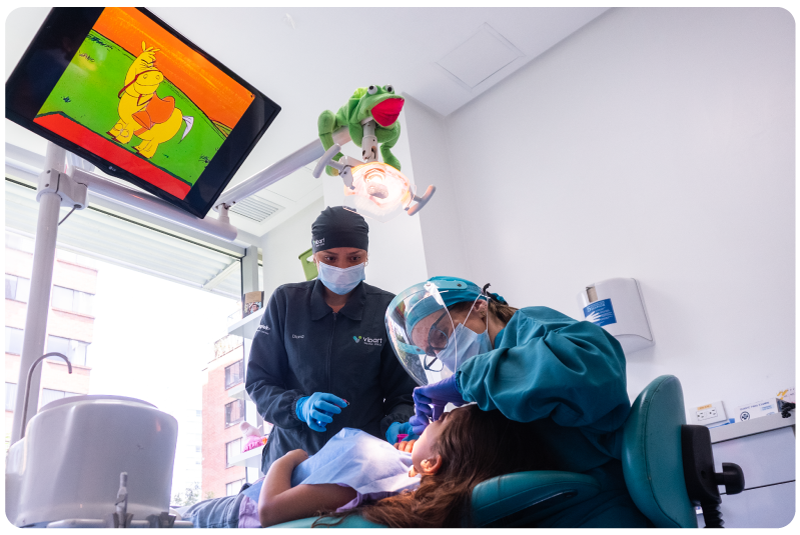
We protect the smiles of the future. Our focus is on prevention and early detection to ensure proper oral and facial development — essential for a child’s overall health. Some anomalies can be identified from birth, which is why it’s important for parents to check their children’s mouths regularly.

Benefits

• Healthy smiles from the start.

• Early detection that prevents future treatments.

• Habits that last a lifetime.

Types of treatments

Depending on the technique determined by the specialist, this procedure aims to make small adjustments to the smile in a quick and minimally invasive way. The duration of the treatment varies according to the diagnosis and can be performed using two different techniques.
1

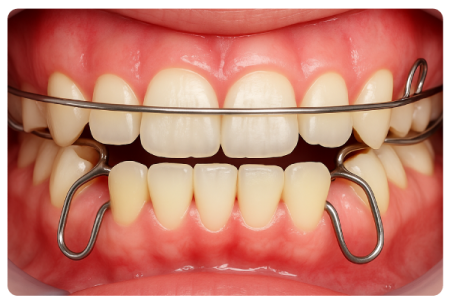
Maxillary Orthopedics

Maxillary orthopedics corrects growth abnormalities in a child’s jaw, ensuring a balanced and healthy bite through the use of removable or fixed appliances.

2

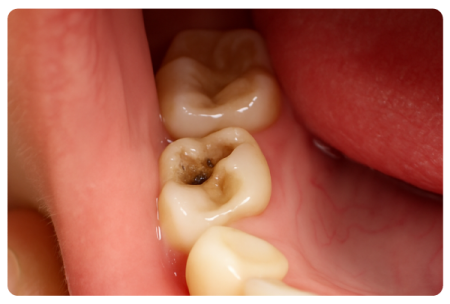
Cavity Control

We prevent and treat cavities from an early age using advanced techniques and painless procedures.

3

Pediatric Dental Emergencies

In cases of dental trauma, fractures, or infections, we provide immediate care to prevent long-term complications.

4

Anxiety management

We offer safe sedation techniques so that children can have a calm, fear-free dental experience.

Faces that tell new stories

Healthy smiles that support

a happy, confident childhood.

Do you have questions?

When Should Children Visit the Pediatric Dentist?
First visit: It is recommended to come during the first 6 months of age, when the first tooth appears.
Regular check-ups: At least every 6 months to ensure proper oral health.
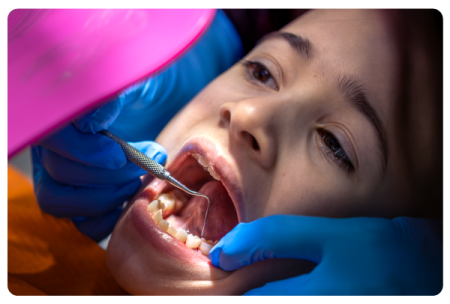
Early prevention: Monitoring for cavities, correcting harmful habits, and providing education on proper oral hygiene.
A visit every 6 months is recommended, or as advised by the specialist.
From the eruption of the first tooth, using a soft toothbrush and fluoride-free toothpaste until age 3, and then with supervised fluoride use.
Dental floss helps remove food debris and prevent cavities in areas where the toothbrush cannot reach.
• Brushing with proper technique from an early age.
• Using dental floss.
• Reducing sugar consumption.
• Regular check-ups with the pediatric dentist.
Between ages 6 and 7, beginning with the incisors, and finishing with the full permanent dentition around age of 12.
Preventive orthodontics can begin as early as ages 4 or 5, while corrective orthodontics is usually recommended after the permanent teeth have erupted.